

Excess Condensation in Bathrooms: The Short & Long Term Effects
Too much condensation on a bathroom floor, particularly when it pools or causes persistent dampness, acts as a breeding ground for damage and health risks. It can lead to mould growth, structural damage to the flooring, and deterioration of waterproof seals, often resulting in high repair costs if left unaddressed.
Here are the specific, long-term, and short-term effects of too much condensation on a bathroom floor:
Damage to Flooring and Structure
- Warping and Rotting: Constant moisture can seep into flooring, causing timber to warp or rot, and subfloors to feel soft or spongy.
- Tile and Grout Failure: Excess water can compromise the integrity of grout, causing it to crack or crumble.
- Adhesive Failure: Water seeping under tiles can break down the adhesive bond, leading to loose or lifting tiles.
- Damage to Adjacent Structures: Dampness can cause swelling in skirting boards, cabinetry, and door frames.
01
Mould and Mildew Growth
- Rapid Colonisation: Damp, poorly ventilated bathrooms are ideal for mould, which can rapidly grow on surfaces and in hidden corners, resulting in persistent musty odours.
- Hidden Damage: Mould can grow under flooring and inside walls, making it difficult to detect until the damage is advanced.
02
Safety and Hygiene Risks
- Slipping Hazard: Puddles of water, commonly called “pooling,” on tiles create a high-risk surface for accidents.
- Pest Attraction: Damp wood and moist environments attract pests, including cockroaches and termites.
- Health Issues: Long-term exposure to mould spores can trigger or worsen asthma, allergies, and respiratory issues.
03
Deterioration of Waterproofing
- Failure of Membranes: Over time, constant moisture breaks down the waterproof membrane beneath the tiles, allowing water to seep into the structural frame of the house.
04
Prevention and Mitigation
Moisture Absorber Range

Hanging Moisture Absorber Pouches – 3 Pack
Hanging Moisture Absorber Pouches – 3 Pack
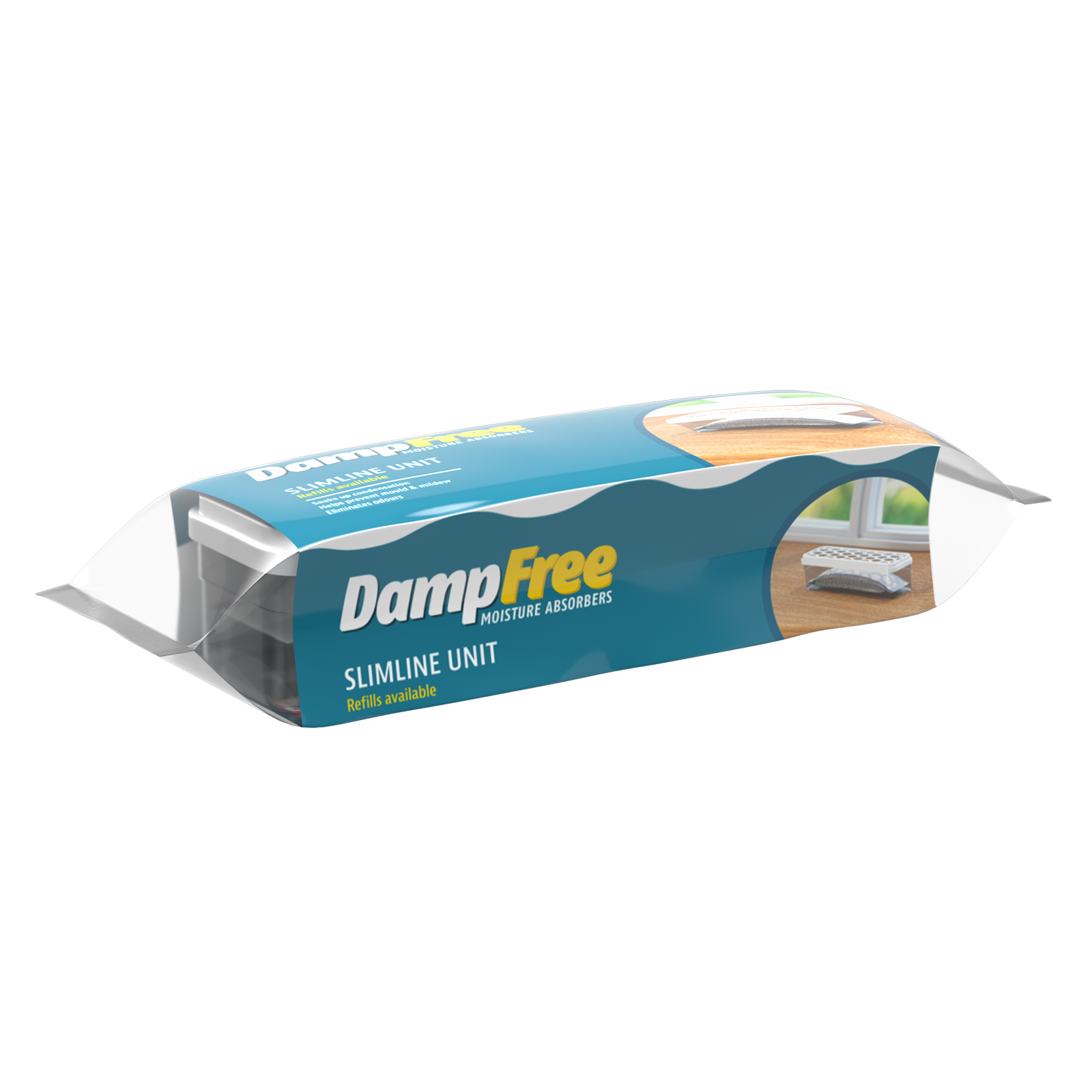
Slimline Moisture Absorber Unit
Slimline Moisture Absorber Unit
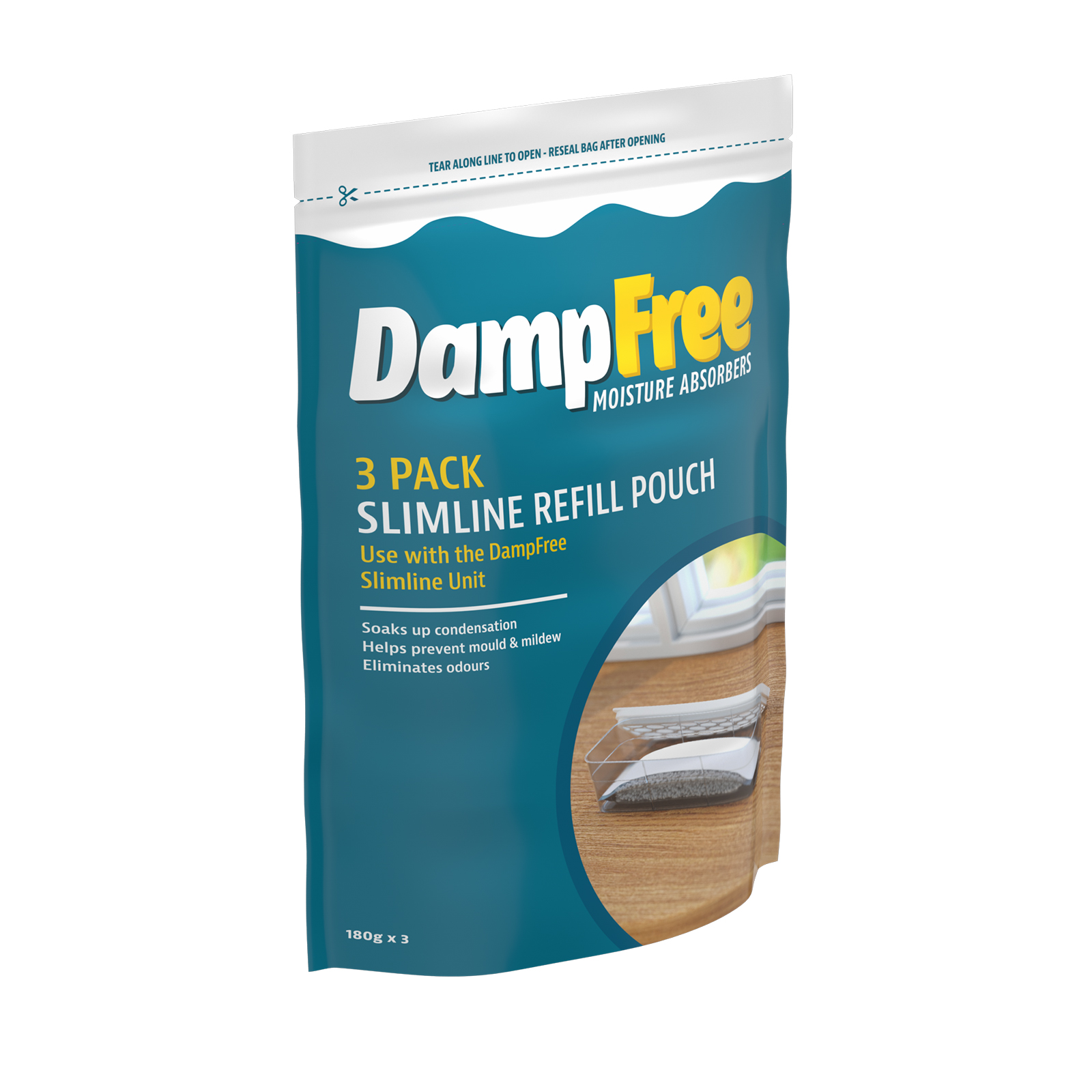
Slimline Moisture Absorber Refill Pouches – 3 Pack
Slimline Moisture Absorber Refill Pouches – 3 Pack
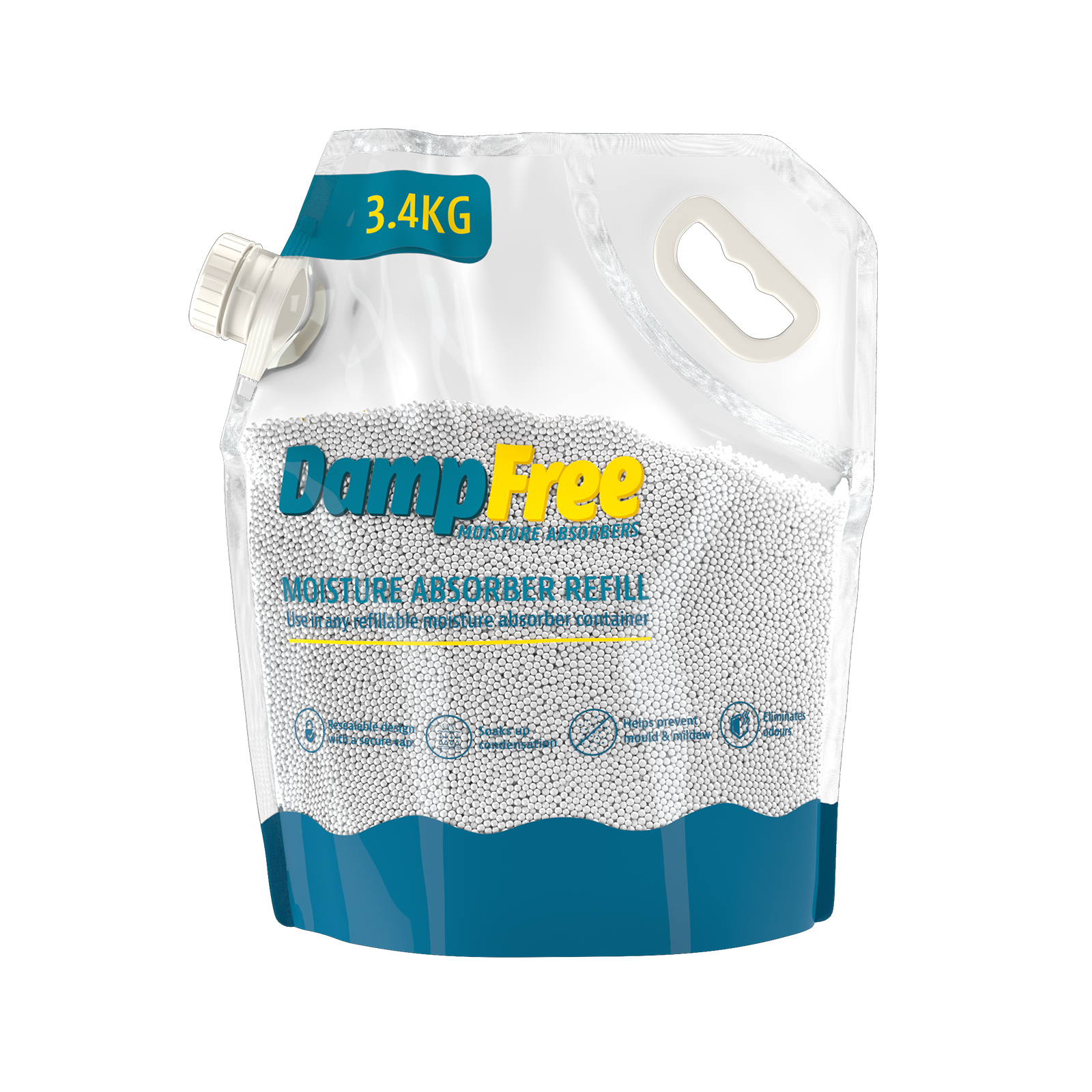
Moisture Absorber Refill Pouch 3.4kg
Moisture Absorber Refill Pouch 3.4kg

Disposable Moisture Absorber Units – 2 Pack